
“CURRY MAY BE BORN IN INDIA, BUT WE MADE IT GREAT IN BRITAIN.”
— ENAM ALI MBE
1ST OF DECEMEBER EVERY YEAR
〰️
1ST OF DECEMEBER EVERY YEAR 〰️
British Curry Day: celebrating a glorious past, staring down an uncertain future
This British Curry Day, restaurants and takeaways across the country will once again celebrate one of Britain’s greatest success stories – the rise of the British curry restaurant.
Founded by Enam Ali MBE, British Curry Day was created to honour the chefs, kitchen teams and family businesses who turned curry from a curiosity into a cornerstone of British life. For generations, these restaurants have been where families celebrate milestones, friends meet, deals are done and new arrivals to Britain build a future.
This week, as we prepare to mark British Curry Day again, I feel two things very strongly: deep pride in what our industry has achieved – and real worry about what lies ahead.
“We have built something extraordinary – but the pressure has never been greater”
Over the past few years, curry restaurants have lived through:
Huge jumps in food costs, from staples like onions, tomatoes, rice and oil to meat, dairy and spices.
Relentless rises in wage and employment costs, as minimum wages and associated costs move upwards.
Higher fixed costs on almost every front – rent, business rates, insurance, energy and finance.
Tighter and more complex visa rules that make it harder for small restaurants to bring in the specialist chefs they need.
On paper, these are just “pressures” or “headwinds”. In real life, they mean owners taking home less than they pay their staff, working six or seven days a week, and lying awake at night wondering which bill they can afford to pay.
People see a busy restaurant on a Friday night and assume everything is fine. What they don’t see is the food bill that has doubled in a few years, the wage bill that climbs every April, the landlord asking for more, the rates relief that is being taken away, and the reality that replacing a key tandoori or regional specialist chef is now far harder because of rising visa salary thresholds.
A Budget that did little to shift the dial
We have just had the first Budget from Chancellor Rachel Reeves. It was sold as a plan for growth and a fresh start.
For most curry restaurants, very little has changed.
Some venues will be hit hard when Retail, Hospitality and Leisure business rates relief is removed. Others will feel the impact more quietly through higher wage costs, higher borrowing costs and continued food-price pressure. Across the sector, the sense is the same: we are being asked to absorb more, with very little left to absorb it with.
I don’t think anyone in government set out to damage the curry industry. But when you combine years of food inflation, rising employment costs, visa changes and the loss of key reliefs, the effect is the same: our room for error is disappearing.
Honouring the past, fighting for the future
British Curry Day has never been about gimmicks or corporate sponsorships. It is a community-led national day, built on a simple idea: behind every dish is a person, a family and a story.
This year, when I speak to restaurant owners, I hear:
Pride in what they and their parents built.
Gratitude to the loyal customers who have supported them for decades.
And a growing fear that the next generation will not want – or be able – to carry it on.
I don’t want British Curry Day to become a nostalgic look back at something Britain used to have. I want it to remain a living celebration of an industry that is still creating jobs, training young people, supporting local suppliers and keeping high streets alive.
To do that, we need two things.
A serious conversation with government
First, we need a proper, grown-up conversation with government about the reality of running a small curry restaurant in 2025.
That means:
Business rates that do not punish bricks-and-mortar hospitality.
Visa rules for specialist chefs that recognise how small, independent restaurants actually operate.
Support for training and apprenticeships so that we can develop the next generation of British curry chefs at home, not just abroad.
This is not about party politics and it is not about asking for special favours. The curry industry has always paid its way. All we are asking for is a fair chance to survive and to keep contributing.
A call to the public
Second, we need the public – our regulars, our neighbours, the people who grew up with us – to know just how much their support matters now.
If you have a favourite curry restaurant or takeaway, British Curry Day is the moment to show it:
Book a table, especially on quieter nights.
Order directly from the restaurant instead of through commission-heavy apps where you can.
Leave a positive review online – it makes a genuine difference.
Tell friends, family and colleagues about the places you love.
My father used to say that British curry restaurants helped Britain learn to be more open, more curious and more confident in who we are. I believe that is still true. But if we want that story to continue, we cannot take these restaurants for granted.
“Behind every curry is a story – let’s make sure the story continues”
British Curry Day will always be a celebration of a glorious past – the pioneers who arrived with little and built something extraordinary, and the families who kept those doors open for decades. This year, it is also a plea for the future. Behind every curry is a story. If we want the next generation to have their own stories inside curry restaurants – first dates, family birthdays, late-night meals after long shifts – we need to protect the businesses that make those moments possible. That is what British Curry Day is about. And that is why, despite everything, we will keep celebrating – and keep fighting – for this industry.
The Rich History of British Curry
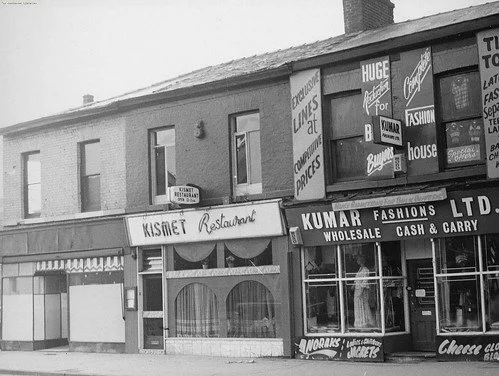
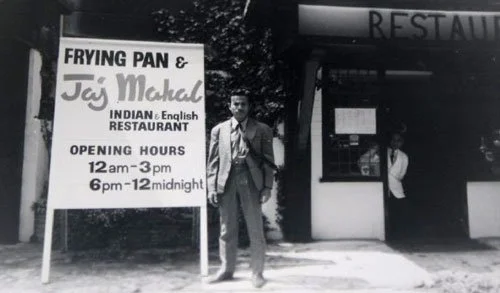
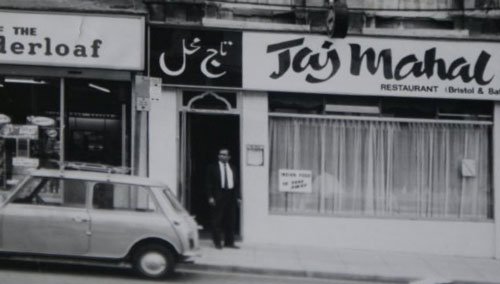
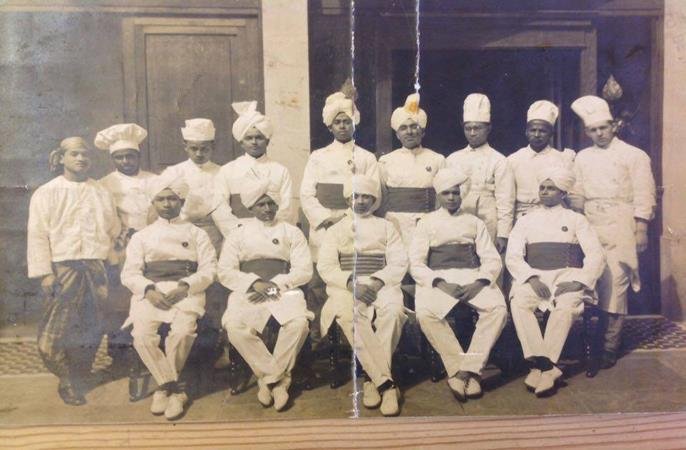
The story of British curry is a captivating journey that began in the 1800s, when the vibrant flavours of India first tantalised British palates. What started as a colonial curiosity quickly evolved into a culinary sensation, shaping the very fabric of British dining culture.
The opening of the first Indian restaurant in London marked a pivotal moment, introducing the British public to the diverse and aromatic world of Indian cuisine. Over the decades, curry transitioned from a novelty to a staple, as immigrant communities brought their culinary traditions to Britain, further enriching the food landscape.
From the beloved Chicken Tikka Masala to the traditional Balti, British curry embodies a fusion of flavours that tells a story of cultural exchange and adaptation. Today, it stands proudly as a symbol of Britain’s multicultural identity and culinary creativity.
Join us as we delve into the rich history of British curry—an incredible tale of resilience, innovation, and passion that transformed it into Britain’s favourite dish.






British Curry?

This video made its debut at the prestigious British Curry Awards, graced by the presence of the former Prime Minister, David Cameron. Initially, the concept of British Curry encountered some resistance, as the South Asian community, rightfully proud of their heritage and cuisine, found the notion of their beloved culinary tradition being embraced by the Western world somewhat unsettling. However, through dedicated efforts in public education and passionate advocacy by various organizations, we have come to embrace the idea of a fusion or evolution within this new branch of cuisine as a remarkable synergy between cultures. The deep-rooted and interconnected history fostered through the sharing of food deserves to be cherished and commemorated. Thus, the concept of British Curry Day was conceived, as a means to preserve and celebrate this rich culinary heritage.
BELOW ARE SOME OF THE AMAZING INSTITUTIONS WHO SUPPORT & CHAMPION OUR INDUSTRY






Champions of the Industry
Thank you for your interest in exploring the roots and evolution of this wonderful cuisine, we invite you to dive into our curated British Curry Guide, Brought to you by the famous British Curry Awards. Discover the vibrant past of south asian flavours in Britain and embark on a journey through the contemporary culinary landscape, where we showcase the very best restaurants that define the thriving British curry industry today